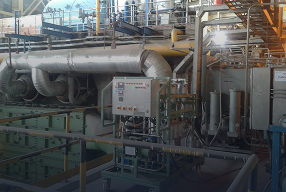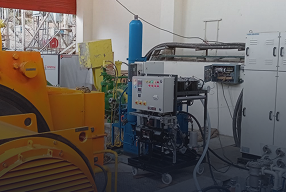
Installed at NTPC · Tata Steel · Maruti Suzuki
Lubricating Oil Filtration & Fluid Reconditioning Solutions
Cleaner oil. Longer machine life. Less downtime.
Trusted by NTPC, Tata Steel, Maruti Suzuki and Honda since 1991.
NAS Level
12 → 5
Average improvement
Why Lubricating Oil Degrades
Particle Contamination
Rising NAS levels rising due to wear & tear debris, environmental dust, and system-generated particles.
Moisture Ingress
Water enters through breathers, seals & due to condensation as temperature fluctuates.
Oxidation & Sludge
Heat, air, and contaminants cause oil to oxidize and form sludge deposits.
The Cost of Contaminated Oil
Studies show that 70% of hydraulic system failures are caused by contaminated oil. A single unplanned shutdown can cost ₹50,000 to ₹500,000 per day in lost production.
Klarol Provides Engineered Systems
For Every Industrial Application
Hydraulic Oil Filtration
Remove particulate contamination from hydraulic systems

Control Fluid Reconditioning
Restore and maintain control fluid cleanliness
Block Mill Lubrication Filtration
Specialized filtration for block manufacturing operations
LVDH – Low Voltage Vacuum Dehydration
Remove moisture and dissolved gases from oil
Gear Oil Filtration (Wind Turbines)
Maintain gear oil cleanliness in wind energy systems

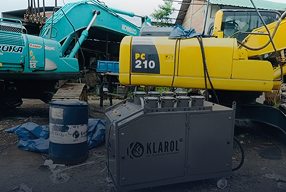
Hydraulic Oil Cleaning (Mining & Earthmoving)
Heavy-duty filtration for extreme conditions

Tractor CL Filtration & Dehydration
Agricultural equipment lubrication solutions
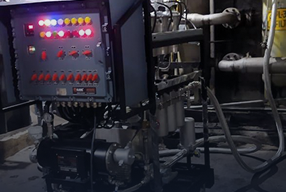
Hydraulic Oil Filtration
Remove particulate contamination from hydraulic systems

Control Fluid Reconditioning
Restore and maintain control fluid cleanliness
Block Mill Lubrication Filtration
Specialized filtration for block manufacturing operations
LVDH – Low Voltage Vacuum Dehydration
Remove moisture and dissolved gases from oil
Gear Oil Filtration (Wind Turbines)
Maintain gear oil cleanliness in wind energy systems

Hydraulic Oil Cleaning (Mining & Earthmoving)
Heavy-duty filtration for extreme conditions

Tractor CL Filtration & Dehydration
Agricultural equipment lubrication solutions
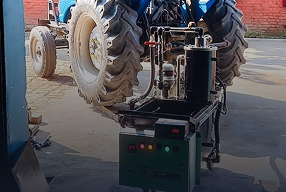
Klarol Flagship Systems
Benefits
Measurable improvements across all operational metrics
Reduce NAS levels
Remove moisture
Extend oil life
Reduce Downtime
Industries Served
Specialized filtration solutions across diverse industrial sectors
Case Studies
Real-world results from plants across India

Strengthening Steel Plant Reliability with KLAROL Filters: 45 Machines, 5 Critical Units, One Standard of The Complete Clean
Project Overview Industry Steel Manufacturing (Integrated Steel Plant) Application Lubricating & Hydraulic...
Explore Case Study ›
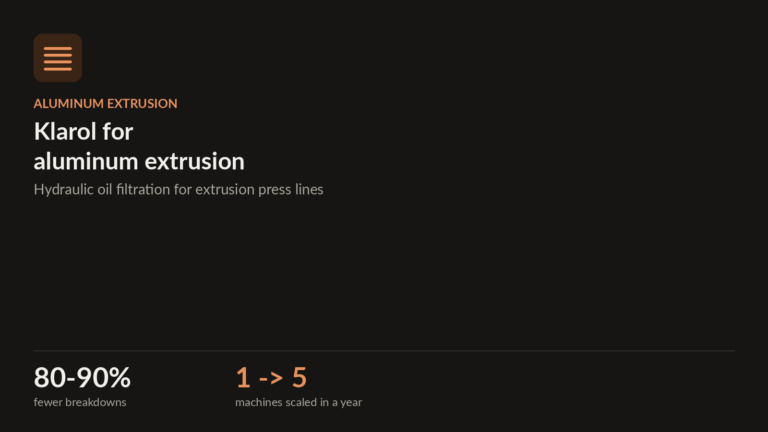
From one machine to five: how Klarol cut hydraulic breakdowns by up to 90% at a Punjab aluminium extrusion plant
Ludhiana, Punjab, India, Customer since December 2018 Project Overview Industry Aluminium...
Explore Case Study ›
Keeping high-viscosity lubricating oil clean at a Wire Rod Mill
Kashipur, Uttarakhand, India Project Overview Industry Steel manufacturing Application Reducing the NAS...
Explore Case Study ›Frequently Asked Questions
What contaminants do Klarol systems remove from lubricating oil?
Klarol systems remove particulate contamination (wear debris, dust, system-generated particles), free and dissolved water, sludge, varnish, acidic degradation products and oxidation products. The same platform handles cleaning and dehydration where other suppliers require two separate machines.
What NAS cleanliness level can Klarol filtration achieve?
Klarol systems routinely improve oil from NAS 12 to NAS 5 or better – equivalent to ISO 4406 cleanliness codes improving from 25/23/20 to 18/16/13 – the cleanliness level demanded by servo valves, precision hydraulics and turbine systems. Cleaner oil directly translates to fewer breakdowns, longer component life and less downtime.
How does Klarol remove moisture from oil?
Klarol’s LVDH (Low Vacuum Dehydration) systems remove free and dissolved water to below 100 PPM, along with dissolved gases. Moisture enters through breathers, seals and condensation removing it prevents rust, additive depletion and accelerated oxidation.
Can Klarol purify EHC fluids and phosphate ester control fluids (FRF)?
Yes. Klarol’s control fluid reconditioning and TAN reduction systems purify EHC (Electro-Hydraulic Control) fluids and phosphate ester fire-resistant fluids, restoring them to OEM specifications. At Kudankulam Nuclear Power Plant, independent analysis showed TAN reduced from 0.85 to 0.07 mg KOH/g and mechanical impurities from 135 to 65 ppm on 3,000 litres of Fyrquel.
Can oil filtration reduce hydraulic breakdowns?
Filtering. Most industrial oil is replaced because of contamination, not because the base oil has degraded. Klarol filtration restores oil to service condition at a fraction of replacement cost, extends oil life 2–5×, cuts disposal volumes and reduces pollution with fast ROI.
Is it better to filter oil or replace it?
Yes. Under the Klarol zero-risk trial programme, you can run the system in your own plant or kitchen, with your own oil, under your own conditions. Keep it if it delivers; return it if it doesn’t no questions asked.
How do I know if my plant needs oil filtration?
Start with a free Klarol oil analysis. Rising NAS levels, moisture readings, frequent valve or pump failures, sludge in tanks, or shortened oil change intervals are all indicators. Klarol can arrange an on-site assessment within 7 working days and recommend the right system for your scale.
Optimize Oil Performance Before Downtime Happens.
Start with a free oil analysis or arrange an on-site assessment within 7 working days.